Hail Storm Damage Inspection Chicago IL — Forensic Hail & Wind Evaluation
Independent forensic storm damage assessments, 10x10 test square documentation, and insurance-ready damage packets across Cook, DuPage, and Lake Counties.
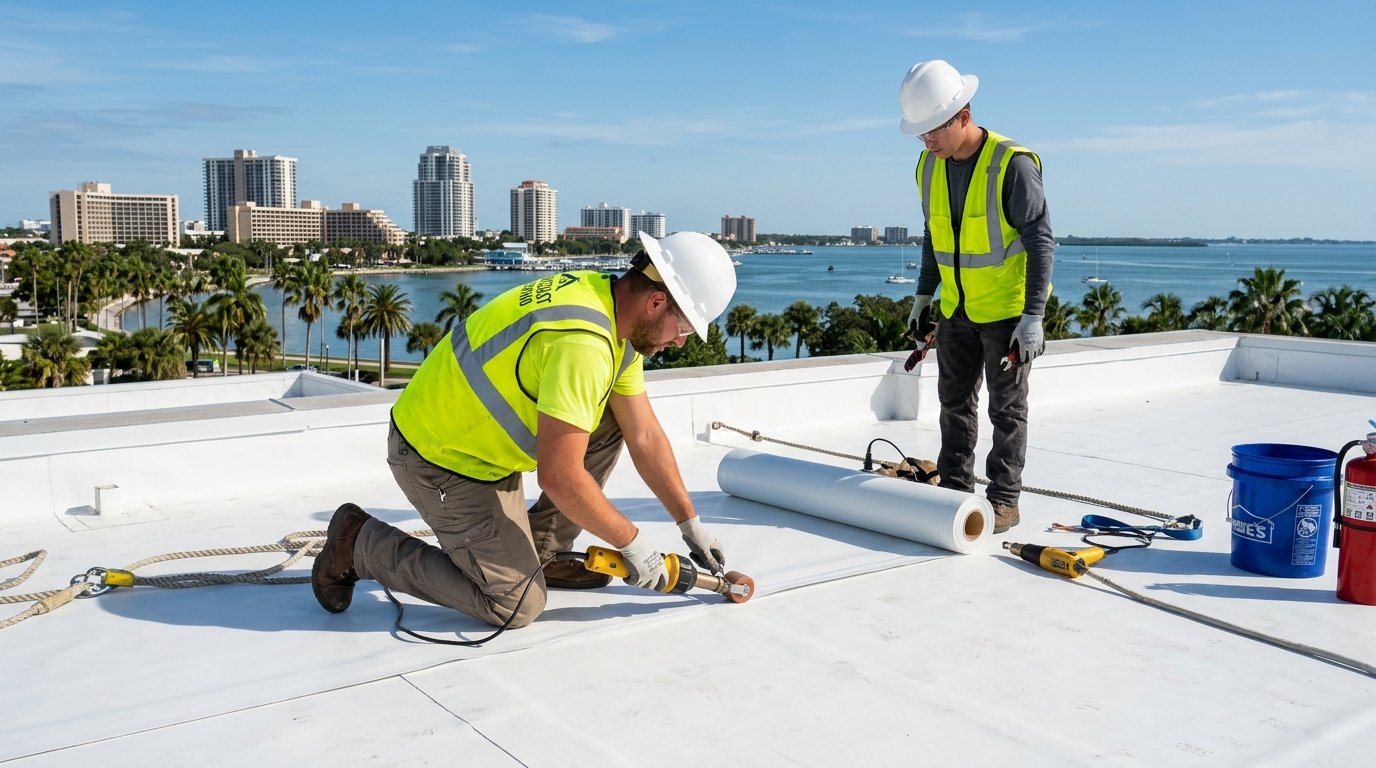
Midwestern convective thunderstorm complexes frequently sweep across the Chicago metropolitan area, unleashing severe hail measuring 1 to 2+ inches in diameter combined with straight-line wind gusts exceeding 60 mph. While catastrophic hail punctures through skylights and HVAC units are immediately obvious, subtle latent hail bruising on asphalt shingles and flat roof membranes often goes unnoticed until months later when chronic leaks develop. RoofExpertUSA dispatches licensed forensic roofing specialists across Cook, DuPage, and Lake Counties for comprehensive storm damage inspections.
Engineering Specialty: Forensic Hail Impact Evaluation & 10x10 Test Squares
When a high-velocity hailstone impacts a roofing surface, the kinetic energy fractures the underlying fiberglass reinforcement mat without necessarily tearing the top surface granules off immediately. This is known in forensic roofing engineering as “latent bruising.” Over the following weeks and months, Chicago’s intense solar ultraviolet radiation degrades the exposed asphalt binder in the bruised area, while winter freeze-thaw cycles pop remaining granules off, creating localized moisture micro-voids that allow water to reach roofing fasteners and underlying plywood decking.
Dispatched independent roofing inspectors adhere to rigorous Haag Certified forensic methodologies. Rather than performing casual surface walk-throughs, inspectors lay out standardized 10-foot by 10-foot “test squares” on each directional slope of the roof (North, South, East, West). Within each 100-square-foot test square, inspectors utilize forensic lumber crayon chalking and tactile finger-depression testing to count and document circular impact fractures. If a test square contains eight to ten or more validated hail fractures, the slope qualifies under Illinois insurance guidelines for complete replacement rather than spot repairs.
Comprehensive Storm Damage Diagnostic Protocols
Collateral Soft Metal Inspection
Inspectors examine aluminum gutters, downspouts, ridge vents, furnace flues, and commercial rooftop AC condenser fins for hail denting to establish verified storm impact velocity and hailstone size.
Single-Ply Membrane Fracture Analysis
On low-slope commercial TPO, PVC, and EPDM roofs, inspectors test for hidden punctures over insulation fasteners and polyiso board seams where hail impact crushes underlying substrate boards.
Wind Crease & Sealant Uplift Testing
High-wind shear unseats asphalt shingle tabs along the adhesive line, causing horizontal stress creases across the top of the shingle that compromise wind-resistance ratings.
Insurance-Ready Forensic Packet
Property owners receive a comprehensive digital report complete with high-resolution test square photos, NOAA weather radar storm verification data, and itemized scope of damage estimates.
Why Timely Post-Storm Inspection Is Essential in Illinois
Under Illinois insurance regulations, property owners have a strict one-year statute of limitations from the date of storm occurrence to file an insurance claim for hail and wind damage. Waiting until chronic ceiling leaks appear eighteen months later often results in denied claims due to late reporting. Having your roof professionally inspected immediately after a major Chicagoland storm event establishes documented baseline evidence while the storm date and collateral damage remain clear and indisputable.
Frequently Asked Questions
What does a forensic hail damage inspection in Chicago include? +
Inspectors examine asphalt shingles, low-slope membranes, flashings, skylights, gutters, downspouts, and rooftop HVAC units using 10x10 test square chalking, collateral soft metal evaluation, and high-resolution digital documentation.
Can hail damage a commercial flat roof without causing an immediate leak? +
Yes. Hailstones crushing single-ply membranes (TPO/PVC) fracture the underlying polyisocyanurate insulation board without puncturing the top sheet immediately. Over months of thermal cycling, the unsupported membrane splits and leaks.
Will my insurance adjuster accept the inspection documentation? +
Yes. Dispatched partner contractors use Haag Certified inspection standards and Xactimate estimating software, providing transparent documentation that insurance claims adjusters universally recognize.