Skylight & Pipe Boot Repair Chicago IL — Commercial Dome & Collar Restoration
Rapid replacement for dry-rotted rubber plumbing vent boots, raised commercial skylight curb flashings, and rooftop penetration leaks across Chicagoland.
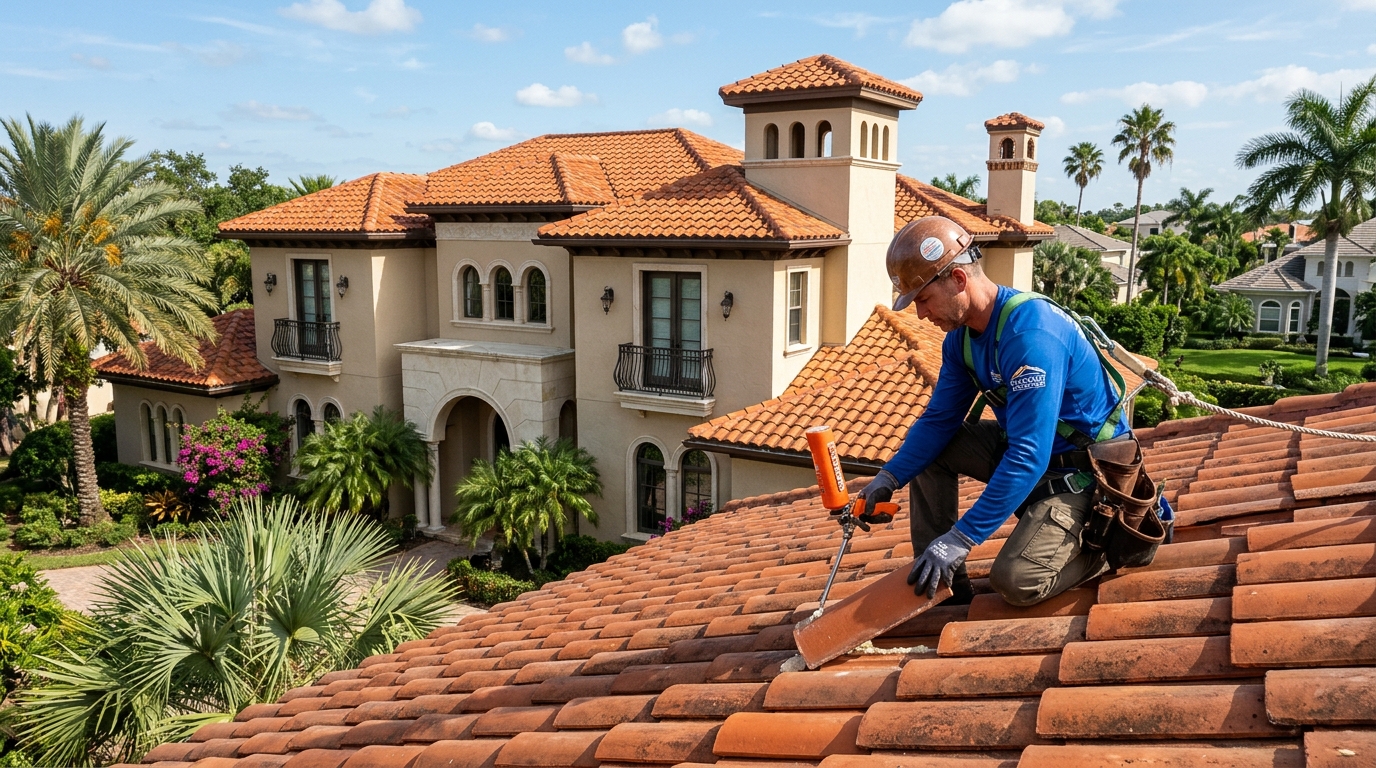
Plumbing vent pipe penetrations and roof skylights are the two most vulnerable roof penetration points across both residential homes and commercial buildings in the Chicago metropolitan area. Over 70 percent of isolated ceiling ring stains in upper-floor bathrooms and bedrooms trace back directly to deteriorated neoprene pipe boot gaskets or leaking skylight curb flashings. RoofExpertUSA dispatches independent, licensed roofing specialists across Cook, DuPage, and Lake Counties for rapid penetration sealing and collar replacement.
Engineering Specialty: Commercial Skylight Curb Flashing & UV Pipe Boot Degradation
Plumbing stack vents (soil pipes) exit the roof plane through plumbing boots. In standard construction, contractors typically install inexpensive plastic bases with rubberized neoprene collars. In Chicago’s climate, intense solar ultraviolet radiation combined with industrial airborne ozone causes standard neoprene rubber to dry out, lose elasticity, and develop deep radial fractures within 5 to 7 years. Once the collar splits, every rainfall sends water trickling directly down the outside of the PVC or cast-iron pipe into attic insulation and drywall ceilings.
Skylights face an even harsher environment, particularly on low-slope commercial roofs and loft conversions in Chicago neighborhoods like West Loop, River North, and Bucktown. Skylights require raised curb construction (minimum 4 to 8 inches above roof deck level) wrapped with continuous membrane flashings and sealed with UV-stable ethylene propylene diene monomer (EPDM) gaskets. When snow accumulates around low skylight curbs during winter blizzards, meltwater hydrostatic pressure backs up over inadequate flashing flanges, causing interior dripping that building owners mistake for glass seal failure.
Comprehensive Penetration Restoration Protocols
Heavy-Duty Silicone / Lead Pipe Boots
Technicians replace cracked rubber boots with commercial-grade lead split boots or UV-stabilized silicone collars warrantied for 20+ years of sub-zero flexibility and zero ozone rot.
Raised Skylight Curb Reconstruction
Where low curb heights cause winter snow backup, crews build elevated pressure-treated wood curbs wrapped with self-adhering membrane and 26-gauge galvanized counter-flashing.
Thermal Condensation Weep Clearing
Many “skylight leaks” are actually internal condensation runoff caused by clogged perimeter weep channels. Technicians clear thermal drainage slots to discharge interior moisture outside.
Commercial Curb & Fan Housing Flashing
On low-slope commercial roofs, technicians seal exhaust fan curbs, electrical pitch pockets, and mechanical equipment stanchions using liquid-applied PMMA or polyurethane resins.
Signs of Plumbing Boot & Skylight Leaks Inside Your Home
Isolated water stains appearing directly beneath a plumbing vent pipe or around the framing of a skylight shaft are unmistakable indicators of penetration failure. If you notice yellow or brown ring stains on bathroom drywall, peeling paint around a skylight light well, or damp attic insulation surrounding cast-iron soil stacks, call dispatch immediately. Timely collar replacement takes under two hours and eliminates thousands of dollars in hidden framing rot.
Frequently Asked Questions
How do I know if my skylight is leaking or just experiencing condensation? +
Inspect the light well frame. If water droplets appear on the glass interior during freezing weather without rain, it is likely thermal condensation caused by high indoor humidity. If water drips during rainstorms, the exterior curb flashing or gasket has failed.
Can you repair a cracked pipe boot without replacing the surrounding shingles? +
Yes. Technicians utilize specialized UV-resistant silicone retrofit collar boots that slide over the existing plumbing pipe and clamp securely beneath the top flange, creating a permanent waterproof seal without disturbing intact shingles.
How long do commercial skylight curb flashings last in Chicago? +
Properly installed 26-gauge galvanized or copper curb flashings underlain by SBS membrane last 20 to 30 years. However, perimeter EPDM rubber gaskets require inspection and resealing every 7 to 10 years.